
Master the Art of Success: Leadership and Team Building Skills in PGDM
 (1).jpg)
Introduction
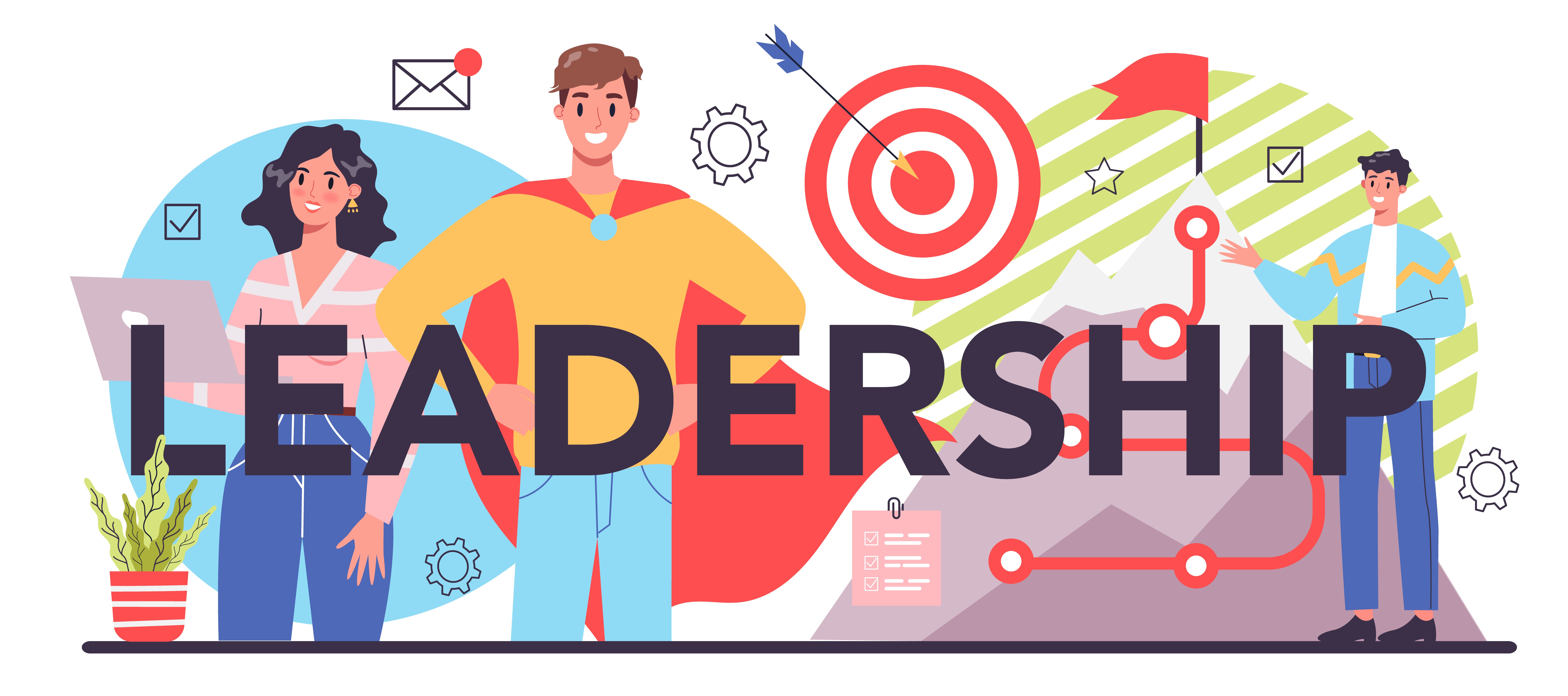
Stepping into the world of management is about more than just numbers and spreadsheets. In the competitive Indian corporate landscape, the true differentiator is your ability to guide people. This is where Leadership and Team Building Skills in PGDM come into play. A Post Graduate Diploma in Management is designed to transform a student into a professional. It bridges the gap between theoretical knowledge and real-world application. When you focus on Leadership and Team Building Skills in PGDM, you are essentially preparing yourself for the high-stakes environment of modern business. These skills ensure that you can manage diverse groups and drive results effectively.
Why Soft Skills Matter in Management
Many students enter business school thinking that technical expertise is the only key to a high-paying job. While knowing your finance or marketing models is vital, the industry increasingly values the human element. Soft skills development in PGDM is the secret sauce that makes a manager truly effective.
In a typical classroom setting, you might learn how to calculate a budget. However, in a team project, you learn how to motivate a peer who is struggling. You learn how to stay calm when a deadline is approaching. This journey of soft skills development in PGDM is what prepares you for the "people" side of business. Companies in India today are not just looking for bosses; they are looking for mentors and visionaries.
Building Synergy through Collaborative Leadership
No manager is an island. The modern workplace is moving away from top-down hierarchies. Instead, there is a massive shift toward collaborative leadership in business schools. This approach teaches you that the best ideas can come from anywhere in the room.
When you practice collaborative leadership in business schools, you learn the value of "we" over "I." You discover how to balance different personalities and work styles. This is crucial because, in a real office, you will work with people from different backgrounds and age groups. Learning to foster a sense of belonging within a group is a superpower that will set you apart from other candidates.
The Power of Strategic Thinking
A great leader always looks three steps ahead. This is why strategic thinking for management students is a core part of any reputable PGDM course. It involves looking at the big picture rather than just the immediate task.
When you develop strategic thinking for management students, you start to understand how a small change in a team’s workflow can impact the entire company’s bottom line. It allows you to anticipate challenges before they become disasters. This foresight is what senior executives look for when they are scouting for future leaders within their organisations.
Practical Ways to Build These Skills
You don't just "learn" leadership from a textbook. You have to live it. Here are a few ways PGDM students in India can sharpen their edge:
-
Club Memberships: Join the marketing, finance, or HR club. Better yet, try to lead one. Handling the budget and events for a college club is like running a small business.
-
Internships: Treat your summer internship as a leadership lab. Observe how your supervisors handle stress and how they communicate with their subordinates.
-
Case Study Competitions: These are excellent for testing your ability to work under pressure with a team. You have to defend your logic against experts, which builds immense confidence.
During these activities, you will inevitably face disagreements. This is the perfect time to practice conflict resolution techniques. Learning how to turn a heated argument into a productive discussion is a skill that will save you countless hours of stress in your future career.
The Emotional Aspect of Management
We often talk about the "brain" of a leader, but what about the "heart"? In the current Indian work culture, emotional intelligence for managers has become a top priority. It is the ability to understand your own emotions and the emotions of those around you.
If a team member is underperforming, an emotionally intelligent leader doesn't just get angry. They try to find out the "why" behind the performance. They offer support or adjust the workload. This creates a culture of trust and loyalty. High emotional intelligence leads to better retention and a much happier, more productive workplace.
Understanding the Academic Framework
Behind every great leader is a solid understanding of how groups function. Most PGDM courses include organisational behaviour modules to provide this foundation. These modules explain why people act the way they do in a professional setting.
By studying these frameworks, you gain a scientific perspective on leadership. You learn about motivation theories, group dynamics, and corporate culture. This academic grounding ensures that your leadership style isn't just based on gut feeling, but on proven psychological and sociological principles.
Conclusion: Your Career Starts Now
The journey of an MBA or PGDM student is a transformation. By focusing on Leadership and Team Building Skills in PGDM, you are investing in your long-term success. Technical skills might get you the interview, but your ability to lead will get you the promotion.
The Indian corporate world is evolving fast. It needs leaders who are empathetic, strategic, and capable of working in harmony with others. Start taking every group assignment and every presentation as an opportunity to grow. The more you practice now, the more natural it will feel when you are finally at the head of the boardroom table.
Table Of Content
- Loading...
